Can brand go global without heavy investment in marketing and advertising? Surprisingly yes. Tesla is a brand that scaled globally without spending high marketing budget. Tesla is not only car company, it’s symbol of innovation, disruption, and future ready thinking. In 2026, Tesla is leading EV market and is influencing the world closer to sustainable energy adoption. This Tesla case study shows how risky startup is now world’s most influential electric mobility and clean energy brand.
Tesla is not only extraordinary by its product but also by the way it thinks to market differently. Tesla offers powerful marketing lessons for business leaders, entrepreneurs and marketers. This Tesla case study is best for students, digital marketers, startup founders, and professionals who want to understand how marketing strategy, innovation, and leadership combine to create top position in market.
In this Tesla case study, you will learn:
Table of Contents:
- Tesla Company Overview and Vision
- Tesla Business Model
- Tesla Target Audience – Who Buys Tesla and Why
- Marketing Mix of Tesla (4Ps Analysis)
- Tesla Growth Strategy: How Tesla Scaled Globally
- Tesla Marketing Strategy – How Tesla Markets Without Ads
- Tesla Digital Marketing Strategy
- Tesla Marketing Channels
- SWOT Analysis of Tesla
- What Students and Marketers Can Learn from Tesla
Tesla Company Overview and Vision
Tesla Founding Story and Leadership
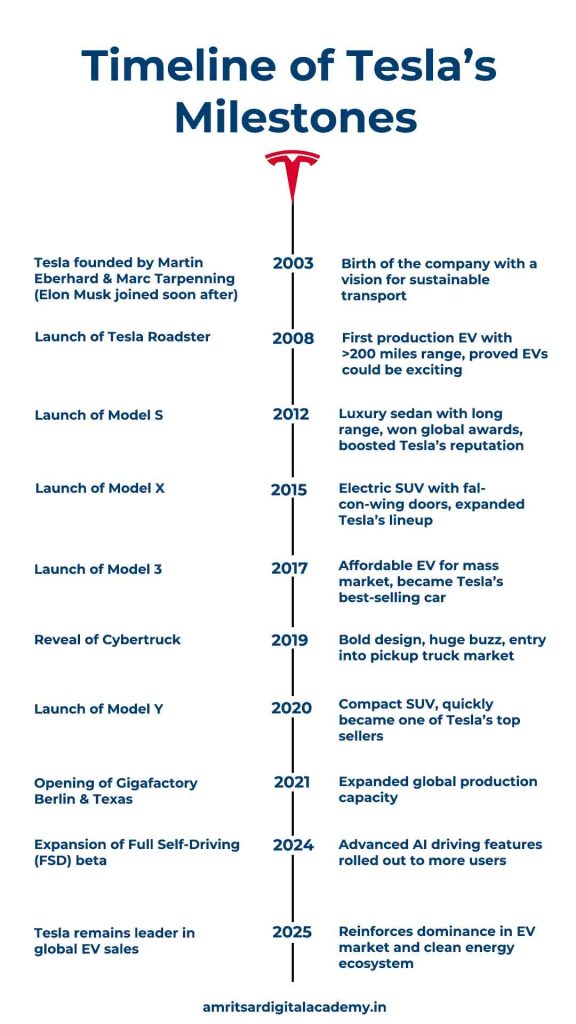
The story of Tesla starts in 2003 with bold idea by two engineers, including Martin Eberhard and Marc Tarpenning. They want to prove that electric vehicles could be better, faster, and more desirable than traditional gasoline cars. When craze of EVs was still slow and dull, the idea seemed unrealistic.
Then Elon Musk enters.
Many of us thought Elon Musk was the founder of Tesla but he wasn’t. He joined as an investor and transformed Tesla from niche electric car maker into a global innovation powerhouse. His marketing approach and ability to communicate directly with customers changed how automotive companies connect with their audience.
Mission and Vision of Tesla
Tesla starts with mission is to accelerate the world’s transition to sustainable energy. The main aim is to reduce global dependence on fossil fuels and cut carbon emissions.
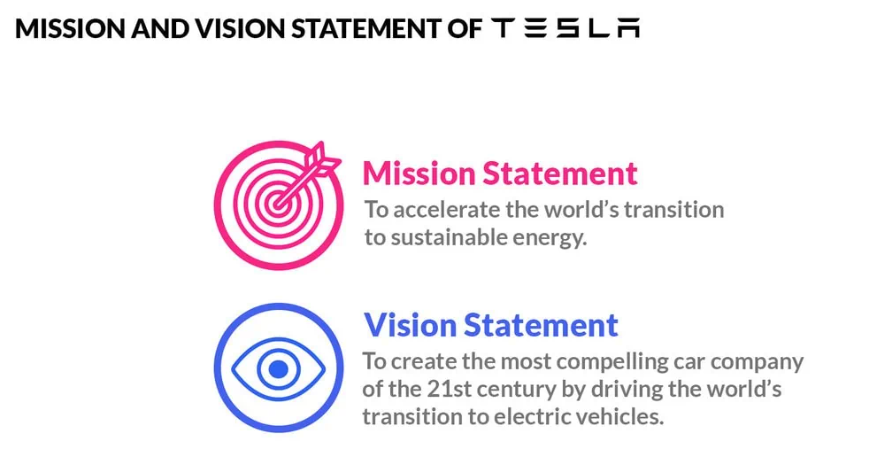
Tesla’s vision is to build the most compelling car company of 21st century. The aim is not only to sell cars but to reshape how we use energy and travel.
Tesla Business Model
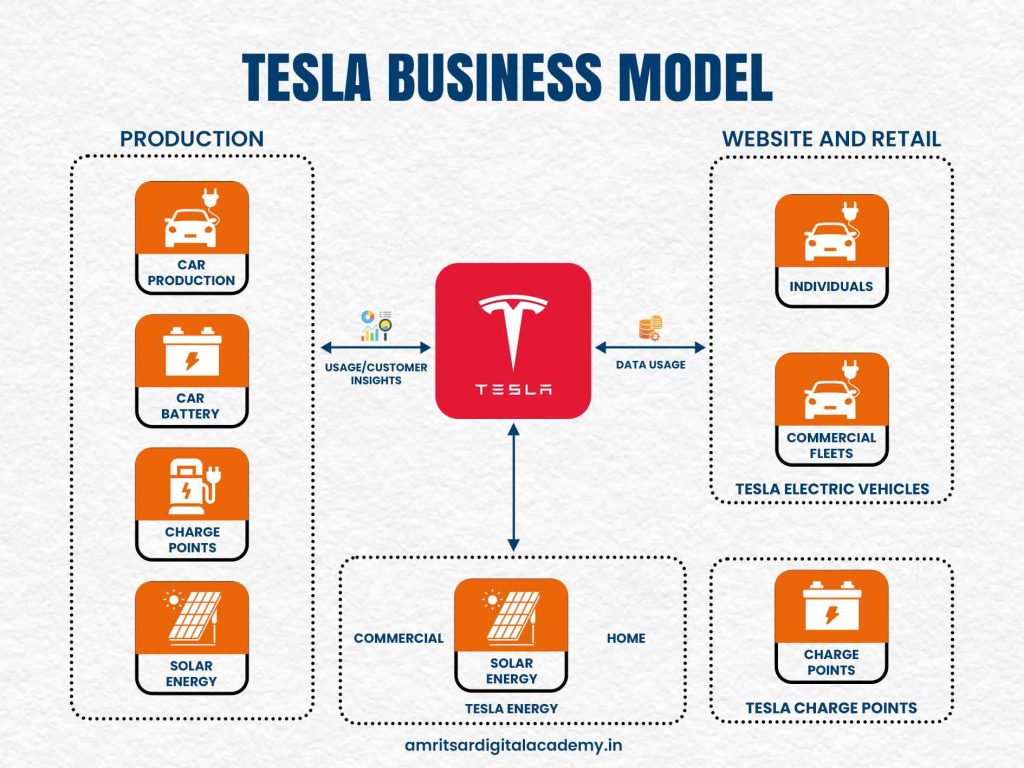
Tesla does not just sell cars, it controls the entire ecosystem: from manufacturing batteries to building charging networks and offering software subscriptions.
Direct to Consumer Model
Tesla eliminates dealership and maintains full control over product pricing and customer experience. They sell directly to consumers via their website and company owned stores. By using this approach, it ensures transparency, reduces operational inefficiencies, and allows Tesla to collect valuable customer data that boosts continuous improvement.
Vertical Integration and Innovation
Most parts of its supply chain, Tesla manages itself like from making batteries to developing software. Its Gigafactories help produce more at lower costs. With this approach, Tesla works faster and more flexibly.
Software and Technology Leadership
Tesla always focuses on updating its software and technologies from time to time. By adding new features, its improve performance of its product even after purchase.
Charging Infrastructure
Tesla focuses on most concerning issue of electric vehicle owners. They highly invested in building their network of supercharger stations which provide fast and convenient solution for their customers.
Energy Products and Services
Another revenue source of Tesla is from sale of its energy storage systems, solar panels, and from installation and maintenance of these products.
Tesla Target Audience – Who Buys Tesla and Why
Tesla’s success in EV market comes from knowing its target audience. Tesla target audience is not only same age and income group, they attracts different types of customers who share same values. Lets analysis Tesla target audience through this Tesla case study:
| Target Audience | Customer Preference | Tesla’s Appeal |
| Tech savy early adopter | Who prefer innovation, automation, and new features. | Tesla provide over the air updates, AI driven capabilities and constant software improvements. |
| Environment conscious consumers | People who like sustainability, eco friendly lifestyle and premium experience | Tesla focuses on reducing carbon emissions, clean energy mission, and sustainable luxury. |
| Premium EV Buyers | Customers who love premium, luxury design and brand status. | Tesla competes with luxury brands, offers superior technology and sleek design. |
| Businesses and fleet owners | People are looking for long-term cost savings, energy efficiency and brand credibility. | It reduced fuel costs and sustainability credentials. |
Marketing Mix of Tesla (4Ps Analysis)
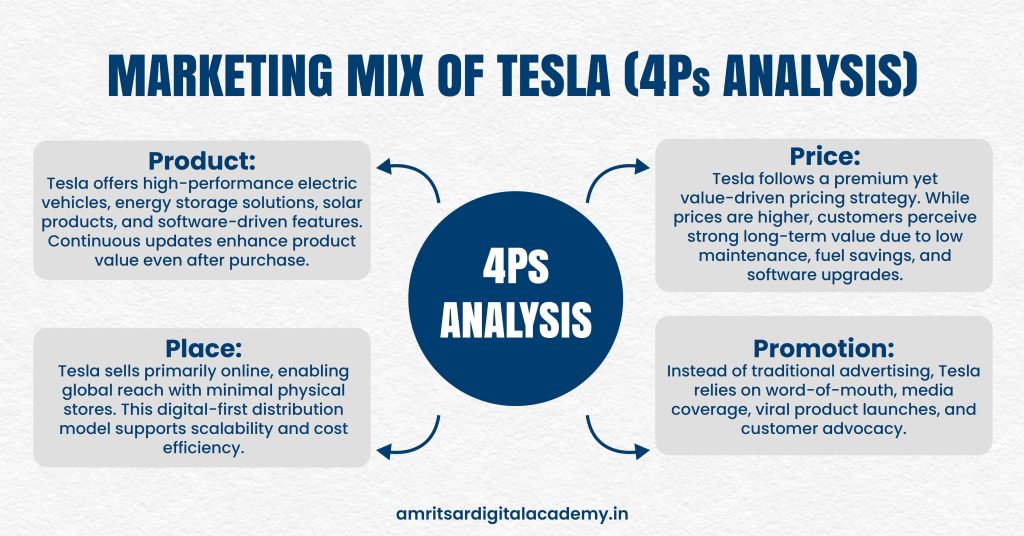
Tesla marketing is different from traditional car companies, but their marketing strategies work very well. In this Tesla case study, we discuss successful marketing mix of Tesla:
Product Strategy of Tesla
Tesla cars come in different models i.e. (Models S, 3, X, Y, Cybertruck, Semi). Each Tesla car model is made with supermotors that can go from 0 to 60 mph in just 5 seconds. Tesla is also incorporating solar energy solutions to improve its products and performance.
Tesla improves their car technology by developing its software to keep them car updated. Company knows that branded and expensive cars should look stylish and eye catching. Tesla attracts customers who like stylish and expensive products.
Price Strategy of Tesla
Tesla launches premium products and captures wealthy buyers who can easily afford their products. But later, Tesla approach mid level consumers also by launching easily accessible EV models. With this marketing strategy of Tesla, they grab large audience and high profit margins.
Place Strategy of Tesla
The main headquarters of Tesla is in Palo Alto, California. They serve customers all over the world. Their major sales and delivery centers are located in Asia, Europe, South Korea, North America, Australia, and Dubai. China is one of Tesla’s biggest markets for electric vehicles. Tesla has 438 stores and 100 service centers all over the world. They sell directly to consumers through their own service centers and stores. This unique approach helps build strong brand value. That is how Tesla marketing strategy builds brand value.
Promotion Strategy of Tesla
Now Tesla marketing analysis gets interesting. Tesla follows zero investment marketing. Their promotion relies on product launches that generate high media coverage, word of mouth from satisfied customers, social media buzz, and Elon Musk’s personal brand. This approach turns every customer into potential brand ambassador.
Also Read: Netflix Case Study: Powerful Marketing Lessons For 2026 Now!
Tesla Growth Strategy: How Tesla Scaled Globally
Tesla success is designed by Tesla growth strategy which is mainly focused on innovation, sustainability, and scalability. Their approach is totally different from traditional automakers, its only prioritizing technology leadership.
▶️Tesla growth strategy depends on expanding multiple Gigafactories. They save money on shipping, avoid extra taxes, and can serve local customers more easily. The Shanghai factory, built quickly, now produces cars for Asia and demonstrates how well Tesla can operate on global scale.
▶️Tesla grows with continuous innovation in EV market. Their competitors try to catch up with what Tesla already offers to their customers. Tesla moves forward with developing self driving feature, using new manufacturing methods and improving battery technology.
▶️Tesla’s biggest growth plan is self driving cars by using AI. Tesla car collects driving data to make system smarter. If Tesla makes cars fully self driving, it could start new businesses like robotaxis and subscriptions that can earn more money than selling cars.
▶️Governments are pushing for lower emissions, and people care more about the environment. Because Tesla started early with clean energy and electric cars, it is seen as the natural choice. The company’s focus on sustainability is real, it’s not just marketing, it’s the reason Tesla was created.
Tesla Marketing Strategy – How Tesla Markets Without Ads
Tesla marketing strategy is very interesting because they market with 0 budget. And the best part is their marketing strategies stand out and create market dominance in EV market. Their marketing strategies include continuous innovation of products, word of mouth, and strong online presence. This Tesla case study shows how Tesla markets without ads.
Customer Experience
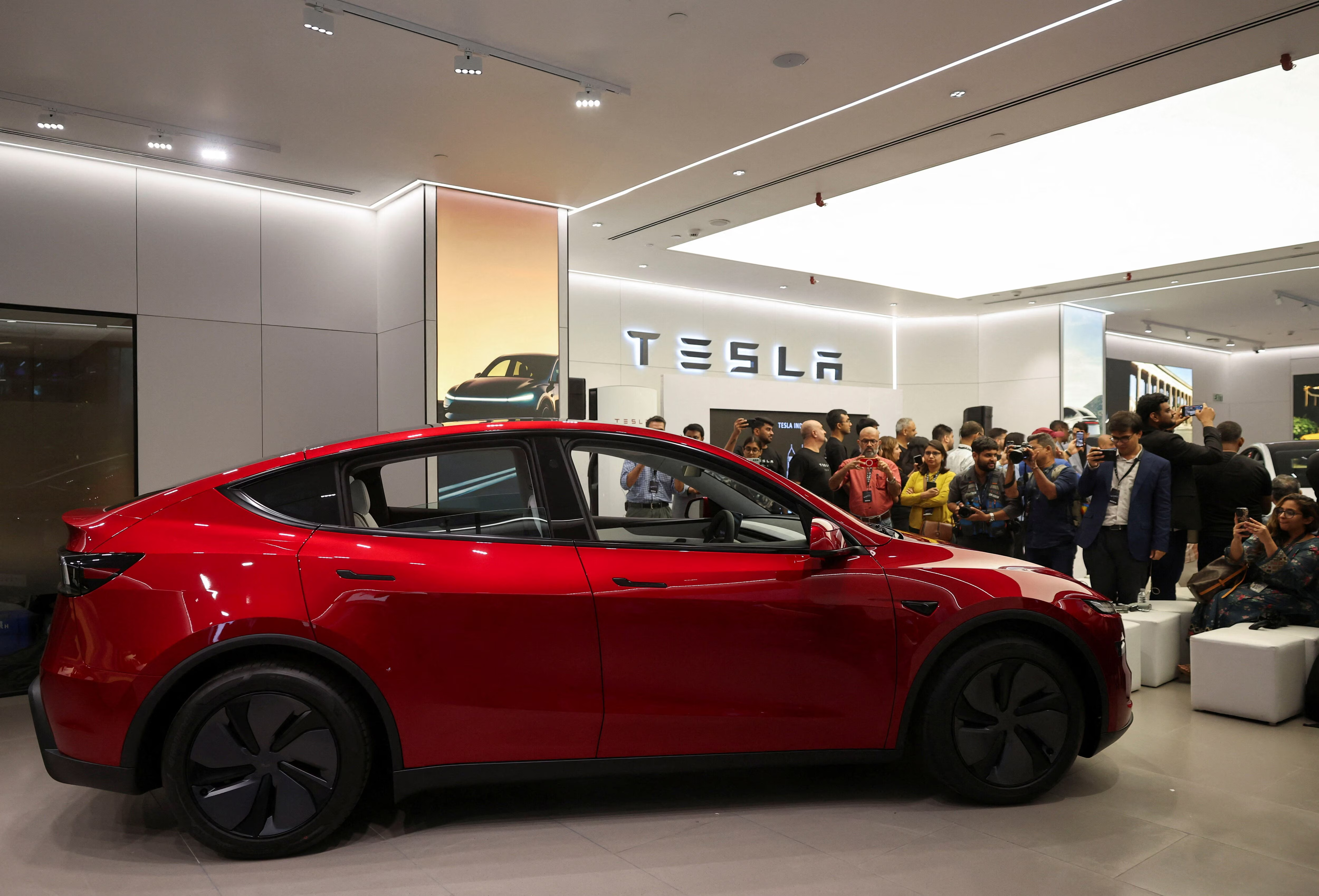
Tesla builds strong relationships with their customers. They work with effective promotion method i.e word of mouth. Tesla creates its goodwill from their potential customers. They offer better customer experience and make their customers happy. Tesla provides premium quality cars with stylish design and unique use of technology like Autopilot.
Zero Traditional Marketing
Tesla adopted zero budget marketing, not to save money, its strategic move by Elon Musk. They said that instead of spending on ads, Tesla puts that money into making better products. Customers like this because they want to see real innovation rather than be bombarded with marketing.
Tesla totally depends on its innovative product launch and buzz they create. Every launch of Tesla products, from first Roadster to the Cybertruck, gets high media attention. Reporters cover Tesla because people are genuinely curious about their new product launch. The Cybertruck reveal especially “broken window” moment which made headlines everywhere and gave Tesla more publicity than any ad campaign ever could.
It simply proves that, if your product has potential, you do not need to spend on ads.
Community and Advocacy Model
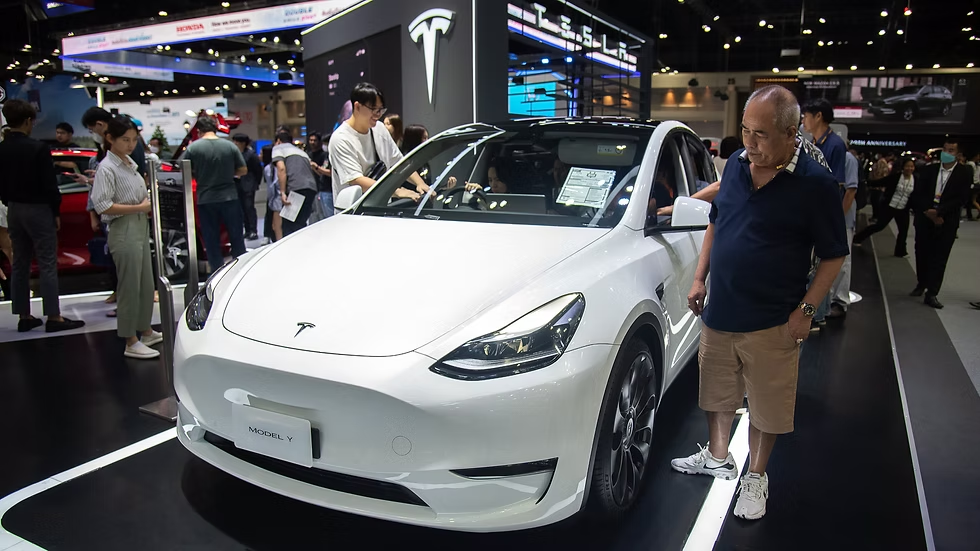
Tesla build its strong community and Tesla owners are known for being some of the most passionate fans in the car world. They connect with online forums, social media, and community meetings to build strong community which is very rare in any auto industry. Tesla owners share their experience and inspire new buyers.
Elon Musk replies to customers on social media, they adds owner suggestions into software updates, and overall experience of owning Tesla is something people love to talk about. This kind of authentic storytelling is stronger than traditional marketing.
Tesla Digital Marketing Strategy
This Tesla case study states how Tesla digital marketing strategy favours them to build premium brand.
Social Media Marketing of Tesla
Tesla did not follow any marketing playbook. They build their hype with strong social media presence, bold product launches and Elon Musk online presence.
1. No ads, only buzz
Tesla does not pay for traditional advertising. Elon Musk prioritizes spending money on making better products. And it works, people are excited about Tesla new product innovations.
2. Elon Musk: Marketing Machine
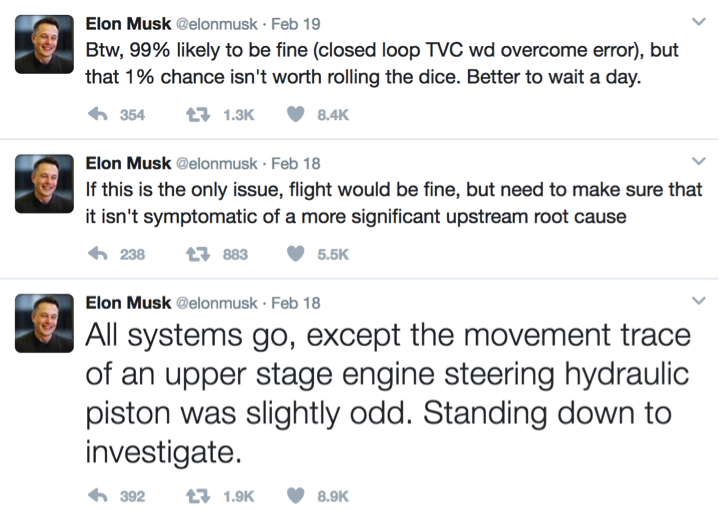
Elon Musk personality always keeps Tesla in spotlight. Their random tweets are sometimes controversial and get attention.
3. Viral Product Launches
Tesla always turns its product launch into media event. Remember its Cybertruck’s “broken window” moment, these stunts grab headlines and dominate social media. This kind of attention can not be grabbed through ads.
Tesla social media strategy is all about being bold, real, and community driven. No ads, just innovative products, and CEO who knows how to keep people talking about their product.
SEO Strategies of Tesla
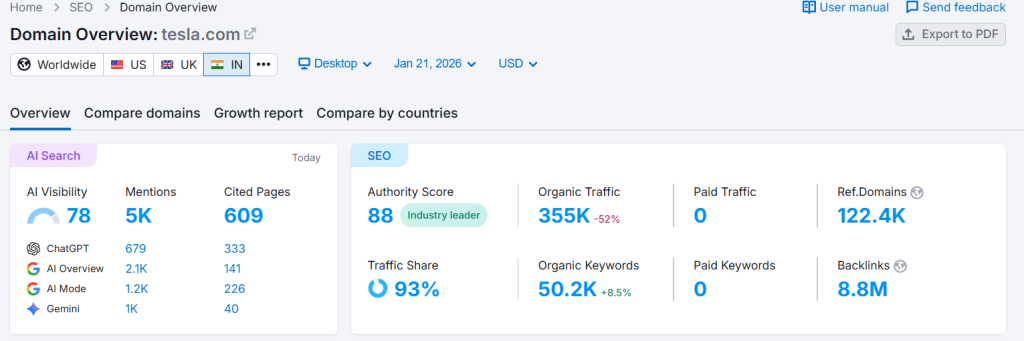
- Tesla website has very high domain authority of 88 with strong monthly organic traffic.
- The website experience shows Tesla’s direct to consumer model.
- This digital first approach reduces friction in buying process and provides Tesla with valuable data on customer preferences and behavior.
- They optimize their website with relevant online content and keywords.
Tesla Influencer Marketing Strategy
Tesla did not have any content creators or any social media celebrity, its CEO itself Elon Musk. With millions of followers on Twitter, they connect directly with millions of people. Elon Musk tweets grab attention and spread fast.
Elon’s interviews and podcast appearances get huge viewership. His chat on Joe Rogan’s podcast (yes, one where he smoked marijuana) became one of most watched episodes ever.
Tesla Knows How to Go Viral
Tesla knows very well how to create buzz moments. They also encourage real customers to share their experiences. Tesla owners post videos of their road trips and Autopilot in action on social media platforms. This kind of content feels real and trustworthy which is way more powerful than traditional ads.
Tesla Marketing Channels
Tesla marketing channels plays big role to reach wide audience. They use various marketing channels as part of Tesla marketing strategy to reach its target audience.
- Website: Tesla official website is its first digital platform where customers can check out the products themselves.
- Physical Stores: Tesla set up their physical stores where customers experience Tesla products.
- Social Media: They update their product launch feature on social media platforms to attract Tesla fans.
- Industry Events and Exhibitions: Tesla participates in industry exhibitions to highlight their product innovations.
Also Read: IKEA Case Study: What Makes IKEA’s Marketing Strategy So Successful?
SWOT Analysis of Tesla
In this Tesla case study, lets analysis SWOT of Tesla.
S= STRENGTHS
W= WEAKNESSES
O= OPPORTUNITIES
T= THREATS
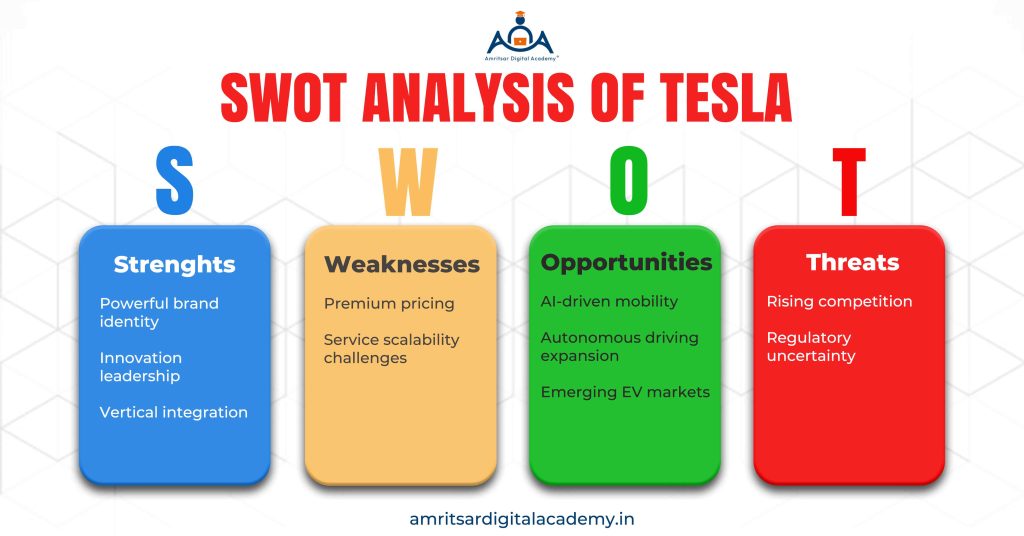
Strengths
- Strong Brand Identity: Tesla has strong presence in auto industry. It is not just car brand, it is well know premium brand trust that makes customers choose Tesla even when competitors offer similar electric cars.
- Innovation Leadership: Tesla is known for its continuous innovation even after its purchase. With this constant innovation, Tesla is one step ahead in EV market.
- Vertical Integration: Tesla controls most of its production which is why it provides better quality control and faster decision making.
Weaknesses
- Premium Pricing: Tesla prices are very high, which is not easy to afford every group of income especially middle income group.
- Service Scalability: As Tesla expands, its service centers and support teams sometimes fall behind which causes longer repair wait times and customer service challenges in certain areas.
Opportunities
- AI driven Mobility: Tesla has strong potential in artificial intelligence. Its smart software learns from driving data, helping make cars safer, more automated, and better prepared for future mobility.
- Autonomous Driving Expansion: If Tesla perfects self driving technology, it could transform the way people travel and make robotaxis, subscription services, and new business models possible.
- Emerging EV markets: Many countries are starting to adopt electric vehicles. Tesla has big opportunity to expand into these fast growing markets.
Threats
- Rising competition: Due to high demand for electric vehicles, many startup companies are starting to sell EVs at low cost. It creates threats to Tesla because its prices are too high.
- Regulatory uncertainty: Change in government rules may slow down Tesla growth.
What Students and Marketers Can Learn from Tesla
This Tesla case study offers invaluable lessons applicable across industries and business contexts. It shows how brand innovations and customer trust outperform aggressive promotions.
▶️Tesla proves that innovative products create their own marketing momentum. When your product has potential to deliver value to customers, you do not need to run ads.
▶️Genuine purpose and authentic communication build stronger connections than any advertising campaign.
▶️Tesla’s direct to consumer model eliminates dealerships, reduces friction, and provides superior customer data.
▶️Tesla’s loyal owners help spread the word, support other customers, and share valuable feedback on its products.
▶️Last but not least, Elon Musk shows that founder led companies with authentic personal brands can reach people in ways corporate messaging never could.
Students studying business, branding, or digital marketing training programs can see how Tesla grows by focusing on authenticity, community, and product quality. For marketers, Tesla shows that long term vision beats short term tricks and success comes from clear positioning, knowing your audience, and staying true to your values. The lessons from this Tesla case study will remain relevant for years to come.