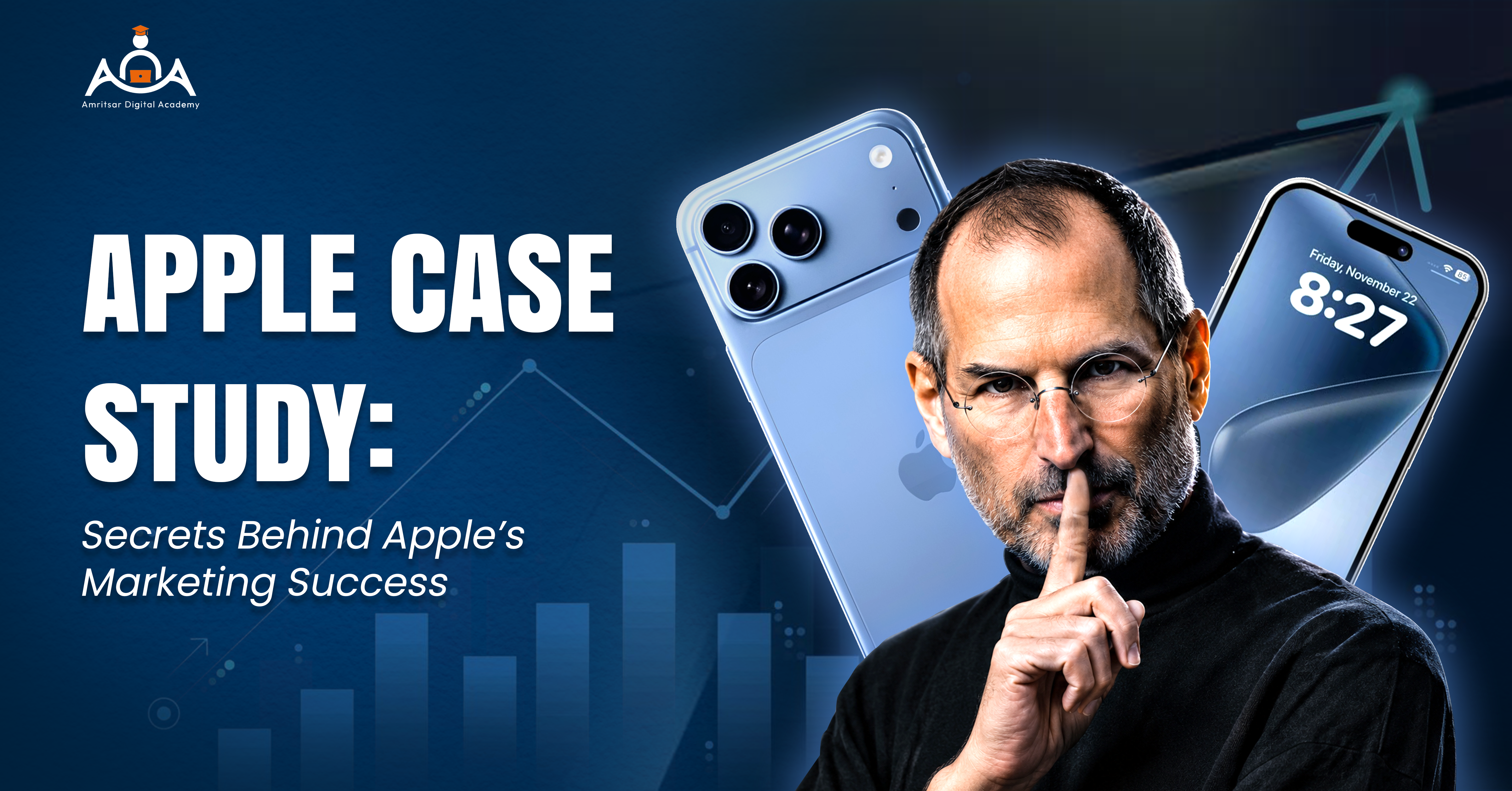
On September 18, 2026, all customers around the world are excited and lined up in Apple stores for the launch of latest iPhones. The interesting thing is how people are repeatedly excited for Apple’s latest launch and turn product launches into global events. Prior to product launches, Apple generates a significant amount of buzz and the discussions still remain alive after the actual launch through different channels like shops, reviews and social media.
Apple is successful in its marketing strategies due to its premium positioning, product stories, innovation, and constant interaction with consumers. Instead of using marketing as a separate tool, Apple employs a combination of marketing efforts, involving brand, product, and customers.
This Apple case study examines the actual functioning of this system. This is a complete analysis of Apple marketing strategy which covers business model, marketing mix, digital strategy, and exact tactics behind campaigns such as Shot on iPhone and launch of iPhone 18. At Amritsar Digital Academy, we are interested in studying the marketing case studies of companies like Apple because after removing billions of dollars spent on the budget, we see business principles applicable to businesses of any size.
Apple Case Study Glance
| Factor | Details |
| Founded | 1976 |
| Funders | Steve Jobs, Steve Wozniak and Ronald Wayne |
| Headquaters | Cupertino, California |
| CEO | John Ternus |
| Main Products | iPhone, Mac, iPad, Apple Watch, AirPods and more |
| Services | App Store, iCloud, Apple Music, Apple TV, Apple Pay, AppleCare and more |
| Business Positioning | Premium products + integrated ecosystem |
Apple Company Success Story: From Computer Maker to Global Ecosystem
Apple was founded on April 1, 1976. In 2026, company celebrated its 50th anniversary. Apple has expanded from computers into smartphones, tablets, wearables, entertainment, payments, cloud storage and other services. In 2026, another interesting occurrence in the life of Apple Inc. took place as significant personnel changes were announced. The company made it known that John Ternus became the new CEO of Apple Inc. on September 1, 2026; whereas Tim Cook acquired the duties of executive chairman.
Apple Inc.’s success story is not hard to understand through its shifts and transformations in strategy.
1. Macintosh

Earlier, Apple’s identity was strongly connected with personal computers but Macintosh establish important idea that would become at the heart of the brand’s philosophy: technology should be simple and fun to use. The Apple approach to design, usability and user experience made the product itself part of the brand. This was vital as Apple was not just selling specifications anymore. Apple was selling a way to use technology.
2. Steve Jobs Return
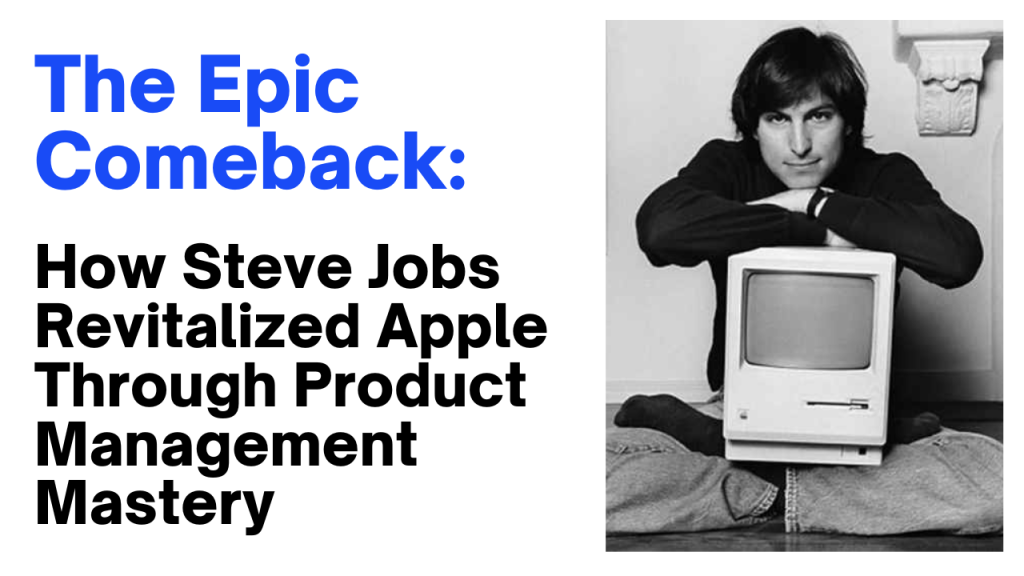
When Steve comes back in 1997, company was overwhelmed with so many product lines that were hard to identify from each other. He decided to eliminate the majority of the products and move the focus of the company toward simple usage, better integration of hardware and software components, and fresh branding.
3. iPod + iTunes
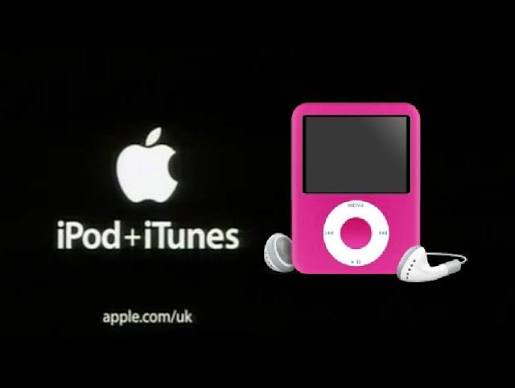
Apple paired iPod with iTunes, it connected software with product with idea of carrying 1000 songs in your pocket. This was Apple’s first proof to show that product, software and content work together as one experience.
4. iPhone
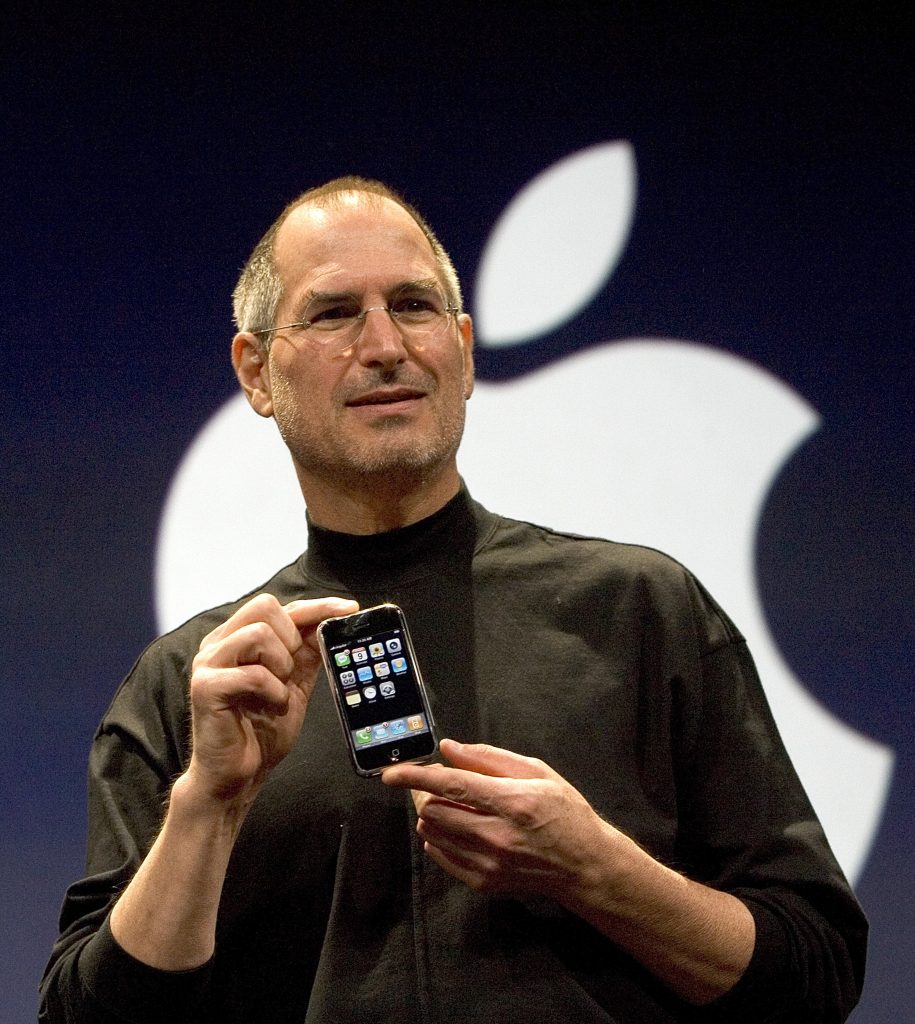
Apple combines hardware, operating software, applications and services into one product. The first iPhone was referred to as a device that served the function of a phone, an iPod, and a computer. As the years went by, the iPhone became a market leader in a larger ecosystem of products and services.
Now Apple users connect their iPhone with Mac, Apple Watch, AirPods, iCloud, the App Store and multiple Apple services.
Apple Business Model: How Does Apple Make Money?
Apple makes money through dual engine model. It means Apple’s business model combines premium hardware, software, and services with tight ecosystem integration. Hardware brings customers into the store, while services and connected devices increase the value and engagement of that ecosystem over time.
Through this Apple case study, let’s understand how Apple’s business model works:
1. Hardware Business
Apple sells products in different categories such as
- iPhone
- Mac
- iPad
- Apple Watch
- AirPods
- Home products
- Accessories
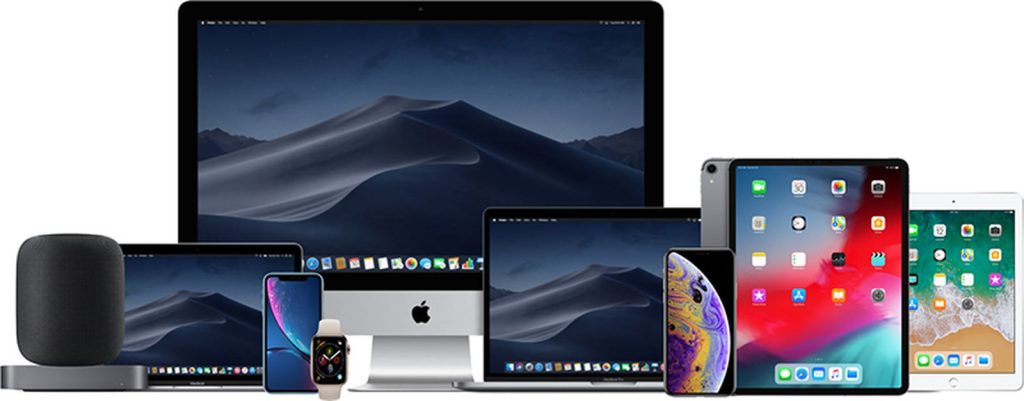
Every product matters in its own place but hardware is strategic entry point to bring customers into Apple ecosystem. Once someone buys an iPhone, later they may add AirPods, Apple Watch, iCloud storage or MacBook because those products and services work together.
2. Services Business
Apple services include:
- App Store
- iCloud
- Apple Music
- Apple TV
- Apple Pay
- AppleCare and other services.
Apple’s revenue in Q3 FY2026 for the quarter ending on June 27, 2026 was $109.4 billion. In addition to reaching this significant revenue number, the company announced that it had set revenue records in the June quarter for the iPhone, Mac and Services.
Apple’s services business has grown into one of the most crucial parts of Apple’s experience. According to Apple’s report in 2025 about 850 million people used the App Store on a weekly basis, and since the platform was launched in 2008, more than $550 billion was generated by developers through it.
Figures appear to confirm the strategic importance of services. When people start using Apple devices, they are likely to begin using services in their everyday routines.
3. Apple Ecosystem Flywheel
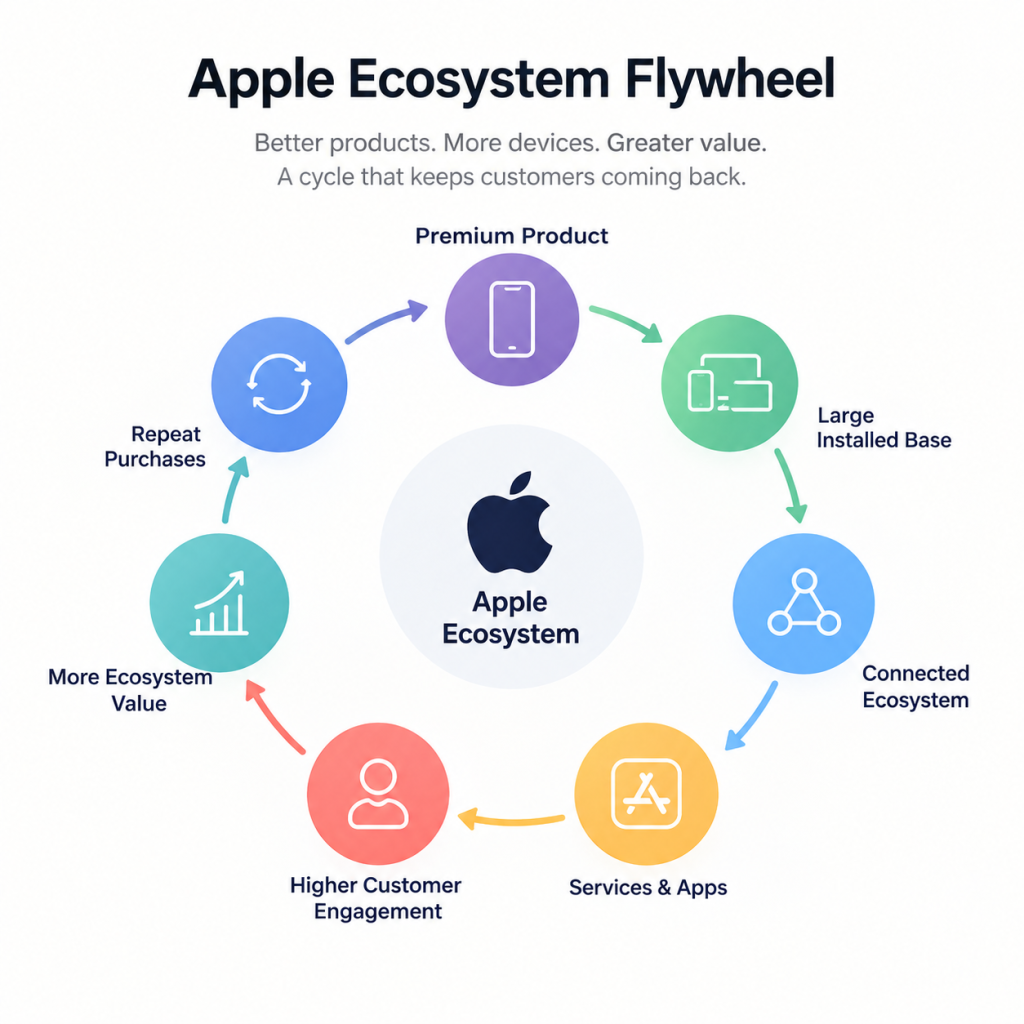
This is simple way to understand this part of Apple’s business model:
Premium Product
↓
Large Installed Base
↓
Connected Ecosystem
↓
Services & Apps
↓
Higher Customer Engagement
↓
More Ecosystem Value
↓
Repeat Purchases
That does not mean Apple customers buy multiple Apple devices. The idea behind this is that Apple presents users with many connected products and services that become even more effective when used together. The advantages are related to convenience, compatibility, familiarity, and integration of services. At the same time, owning many integrated products may result in high switching costs as changing the platform may mean changing several connected services and devices.
Good example here is the recent launch of iCloud+ in India. Starting from September 2026, some eligible subscribers of iCloud+ in India will be able to use Apple TV and Apple Arcade in connection with their cloud service.
Why Does Apple’s Marketing Strategy Work?
In this Apple case study, we analyze the Apple marketing strategies and figure out why Apple is so successful. Here are the reasons behind Apple’s marketing strategy success:
- Product and Marketing Work Together
Apple’s product is itself a source of its marketing strategy. Its product design, photography, video demonstrations, and website presentations all contribute to Apple’s marketing strategy.
- Premium Positioning
Apple proves why its products are positioned at premium price. Only premium pricing alone does not achieve premium position in market. Apple uses premium pricing, product quality, design, and ecosystem integration together.
- Simplicity
Technology can be difficult to explain to customers. But Apple always turns complicated technology into simple consumer benefits.
- Consistency
It’s product packaging, launch events, website and advertising maintain same broad brand system consistency. That is why it helps customers recognize Apple even when logo is not main element.
- Experience
Apple focuses on providing good customer experience. Their marketing task does not end after purchase. Its stores provide product demonstration, support, and personal setup that helps customers to get started with new devices.
Apple Marketing Mix Analysis: The 4Ps
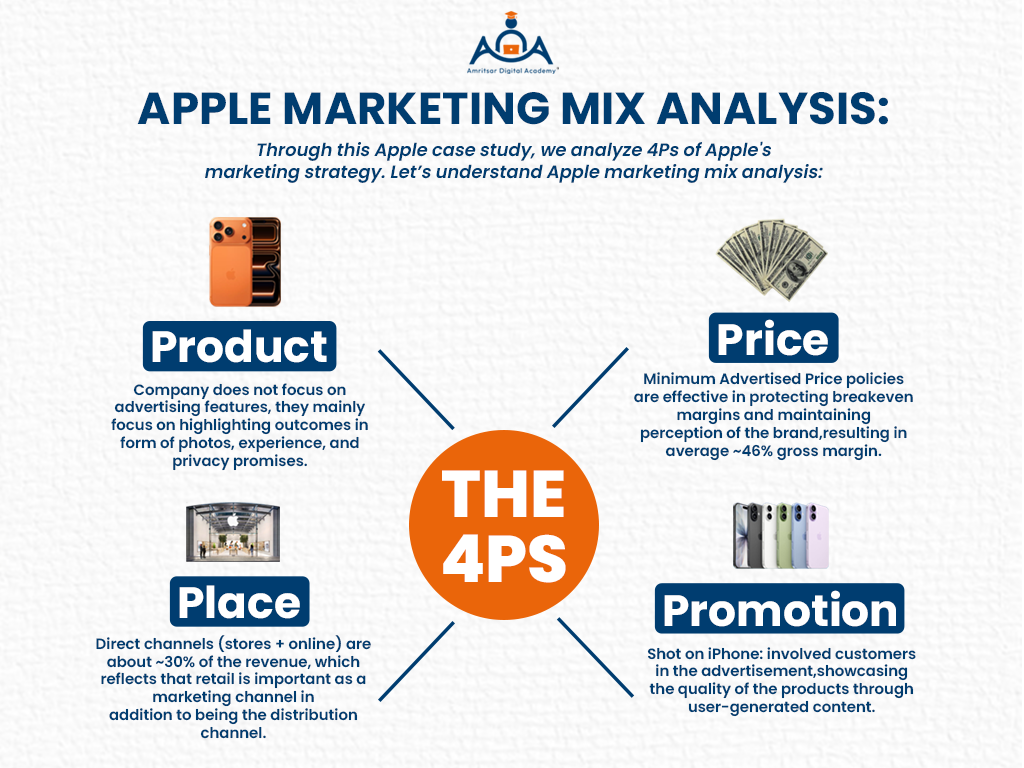
Through this Apple case study, we analyze 4Ps of Apple’s marketing strategy. Let’s understand Apple marketing mix analysis:
Product
Apple product strategy includes product design, usability, hardware, software and services.
- Company does not focus on advertising features, they mainly focus on highlighting outcomes in form of photos, experience, and privacy promises.
- The flywheel ecosystem makes each product, such as iPhone, Mac, Watch, and AirPods, reinforce the others and thus increase switching costs for buyers.
Price
- Apple works on skimming pricing strategy: Apple products tend to launch at high prices and are therefore not discounted much.
- Minimum Advertised Price policies are effective in protecting breakeven margins and maintaining perception of the brand, resulting in average ~46% gross margin.
- This pricing protects the exclusivity and aspirational branding of Apple products but limits Apple in achieving market share in price-sensitive markets.
Place
- Apple Store is an experimental retail store with open spaces and special tables. Instead of normal shopping place, customers can participate in events.
- Direct channels (stores + online) are about ~30% of the revenue, which reflects that retail is important as a marketing channel in addition to being the distribution channel.
- Digital innovations like “Shop with a Specialist over Video” help to replicate the atmosphere of a physical store in the online space.
Promotion
The marketing campaigns of Apple make use of emotional stories:
- 1984: marketed Apple as a brand always in opposition to others.
- Think Different: associated Apple with creativity and cultural leaders.
- Shot on iPhone: involved customers in the advertisement, showcasing the quality of the products through user-generated content.
- Privacy ads (Privacy. That’s iPhone.) turn technical advantages into benefits for the user.
- Sponsorships like Sunday Night Soccer integrate Apple into cultural practices and activities.
What Are The Marketing Strategies of Apple?
Now this is the main section in Apple case study, let’s understand the marketing strategies of Apple:
Premium Pricing Strategy
Apple values its products highly and rarely lowers prices. Price-skimming strategy gives the company the opportunity to profit from early adopters and later stabilize the price even as costs decrease. The success of this strategy can be seen in the company’s gross profit margin of 48.2% in Q1 FY2026. But this comes with risk because premium company cannot afford to lower the prices.
Experiential Marketing
Apple Stores offer customers the opportunity to interact with products before or shortly after they make the purchase. According to Apple, its stores offer advice by experts, product demonstrations, Genius Bar service and free events called Today at Apple.
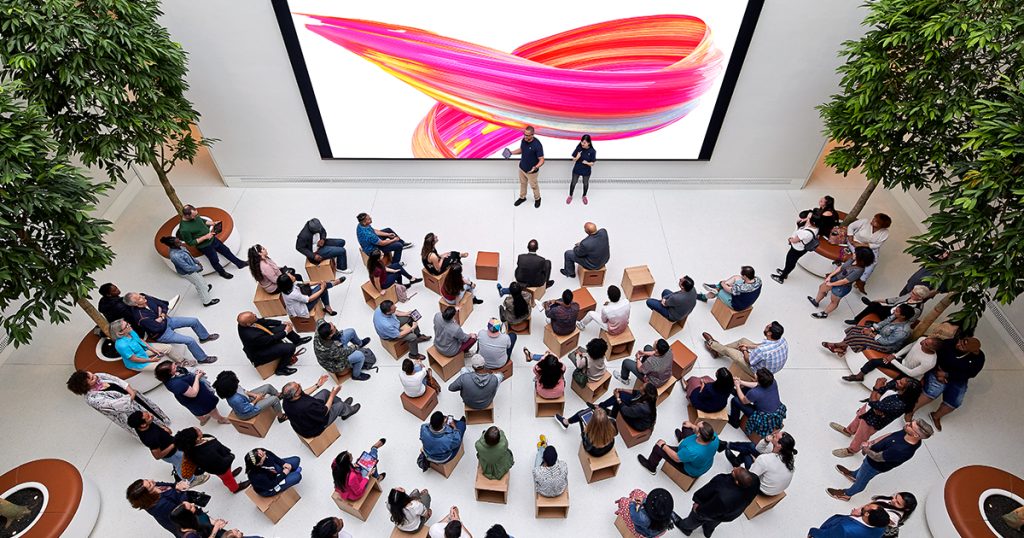
This means that the physical store does more than deliver products. It can inform, demonstrate and assist customers. The launch of the stores on September 18, 2026 illustrates that perfectly: hands-on demonstrations, personalised purchases, trade-in and personal setup for customers who buy new products.
Word of Mouth and Social Proof
The marketing that Apple undertakes does not rely entirely on advertisement. The typical customer journey can be illustrated through the model explained below:
Product → Customer → Review → Creator Content → Social Sharing → New Customer
While reviews, photos, demonstrations and unboxing videos provide added information to potential buyers prior to the purchase. This does not mean that Apple does not do its advertising. Advertisements that are paid for, advertising that is owned and advertising that is user-generated strengthen each other.
Digital Marketing Strategies of Apple
User-Generated Content

Apple encourages creators to share their personal experience. The Shot on iPhone is perfect campaign example. They utilized real customer stories to showcase strength of its product features and customers feel they are connected with the company.
Omni-channel Experience
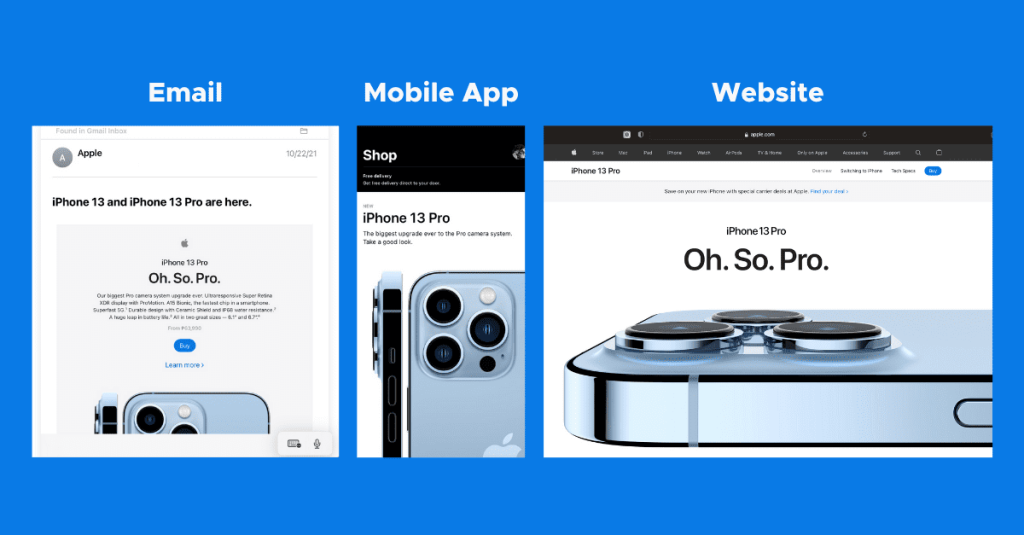
Apple builds its presence on all digital platforms such as websites, social media platforms, email marketing and App Store to provide consistent high quality experience to their customers.
SEO and App Store Optimization
Apple strategically includes keywords, well optimized product description, and HD quality photographs to get higher search engine and App Store optimization.
Influencer Marketing

The influencer marketing strategy of Apple is not obvious but offers strong impact. Rather than relying on scripted promotions, the company provides a talented group of influencers with advanced phones and tablets for unboxing and creating original reviews such as iJustine, Nikias Molina, Sophia Dopha, and iShowSpeed enabling them to spread buzz all over the social networks, such as Instagram, YouTube, and TikTok.
iPhone 18 Launch: Apple’s Marketing Hype in Action
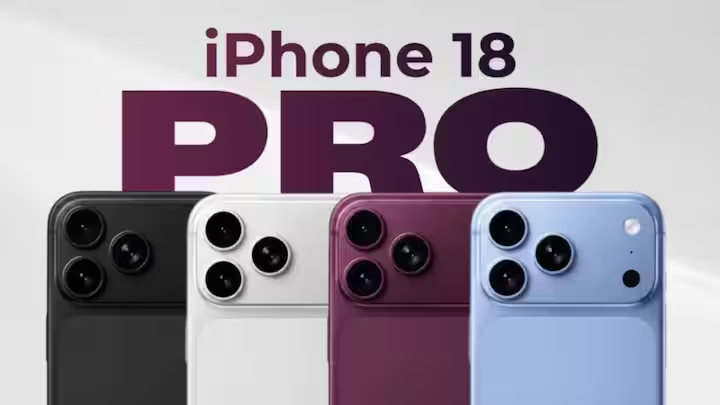
iPhone 18 Pro launch in September 2026 is perfect example of how Apple’s marketing system works. The launch of Apple’s iPhone 18 did not focus solely on the introduction of the new devices themselves; it also included an emphasis on consumer mindset. Through its strategy of taking a split launch approach, accentuating high-end models, and riding on India’s quick commerce wave, Apple has elevated the iPhone 18 into a cultural and marketing phenomenon.
- Apple’s New Launch Strategy
- Apple launches iPhone 18 Pro, Pro Max and Apple’s first foldable device Duo in September 2026.
- Company announced launch of standard iPhone 18, iPhone 18e, and iPhone Air 2 in 2027.
This split strategy create hype to keep customers focused in September towards premium and high marging devices.
- Marketing Hype in Action
- Instead of introducing the regular iPhone 18, Apple subtly pushed customers to buy the expensive Pro models during the holidays at more than ₹120,000.
- The introduction of iPhone Duo for less than $1,999 helped Apple to emerge in foldable phones segment, proving it to be a luxury brand.
- Apple has made use of Google Gemini AI and presented iOS 26 launch as a breakthrough in intelligence.
iPhone 18 Hype in India
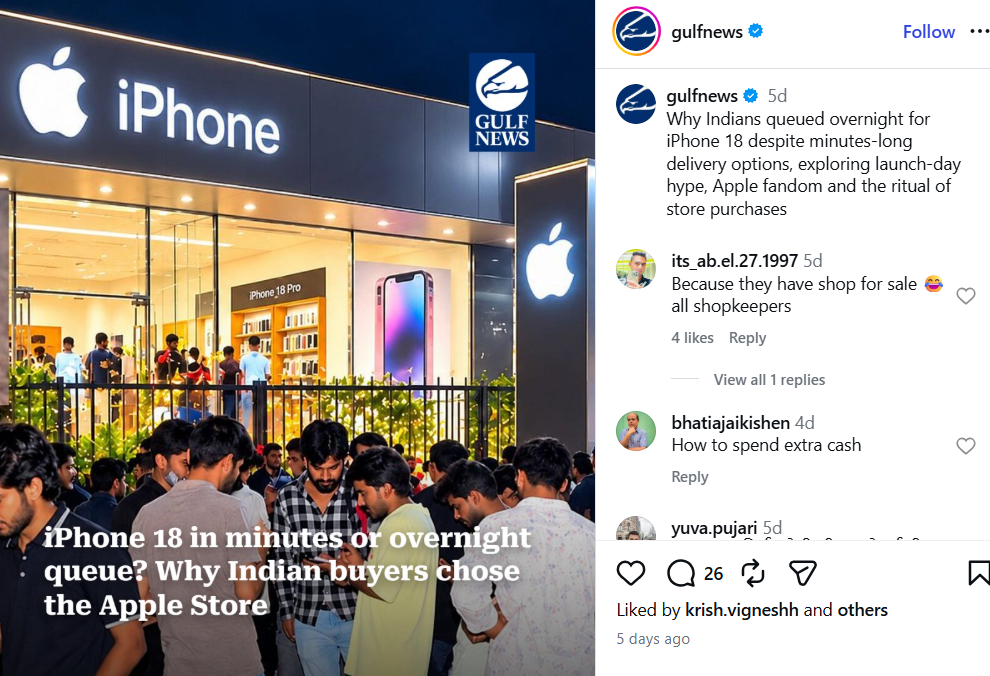
- People waiting at Select Citywalk in Delhi and BKC Apple stores in Mumbai, some having spent the night there.
- Blinkit, Zepto, Swiggy Instamart, and BigBasket provided same-day delivery of iPhone 18s ensuring the phone was used as a premium marketing hook.
- Footage that went viral of mobs as well as unboxing events created a cultural buzz that extended beyond technology.
Important Lessons Can Be Learned From Apple’s Marketing Strategy
Through this Apple case study, here are some important marketing lessons that we can learn from Apple’s marketing strategy.
- Simplicity as Power
Apple mainly focuses on creativity, lifestyle integration and ease of use. With minimal product design, simple interfaces and clear messaging make complex technology feel accessible. For example: In ad campaign, Apple highlights ‘shot on iPhone’ instead of focusing on 48 MP camera count.
- Storytelling and Emotional Branding
Apple never directly sells product features. Each campaign or keynote takes form in a story arc. Apple employs the narrative techniques of campaigns like Think Different and Just Do It (Nike analogue), connecting its brand to famous creative minds and producing items that allow people to achieve success. When connected with emotions, clients become a part of the community of customers instead of just shoppers.
- Scarcity and Premium Pricing Strategy
Apple follows a strategy of pricing products at the highest rates and hardly ever offering discounts. The limited supply, from product scarcity to staggered launches of product versions like iPhone 18, creates demand and makes it exclusive. This results in gross margins of more than 46%, among the highest in the tech industry.
- Create Connected Offers Where It Makes Sense
Not every business needs full ecosystem the way Apple does. But complementary products or services, sold together thoughtfully can increase the value each customer gets from you.
- Turn Launches Into Events
Give people solid reason to pay attention on specific day, whether that’s new product, sale, or milestone. Predictability, done well, builds anticipation instead of killing it.
Want to Build Strategies Like This?
Looking into successful companies like Apple may be beneficial, but being able to implement that knowledge practically is what makes the learning effective.
If you are looking for an opportunity to gain practical knowledge and experience in SEO, social media marketing, Google Ads, content marketing, analytics, and different digital marketing techniques, consider joining the Advanced Digital Marketing Course at Amritsar Digital Academy. Our academy offers an extensive program with multiple topics depending on the current trend in the digital marketing industry.
Hope you enjoyed Apple case study! If you want to learn more on brand case studies, drop comment below and let me know which one you want next.