What is LSI?

Latent semantic indexing (LSI) is a strategy used by search engines to analyze the related words (LSI Keywords) that people use for a given topic.
What are the LSI keywords?
LSI words are words or phrases related to the target topic that Google’s algorithm uses to understand the content on a webpage. But LSI keywords are not official Google ranking factor. In SEO, people start using terms that are related to target term to clarify concepts that appear around a topic.
In simple words, LSI keywords are used to describe concepts related to primary topic. But if you think LSI keyword lists help you to rank higher then answer is no. Google does not require set of LSI keywords. Instead of this, you can create useful content that clearly explains topic, answers related questions, and satisfies user search intent behind the query.
If you are here for keyword stuffing formula, you won’t find it here. In this article, we help you to guide on what actually works in 2026 and why old advice never really worked in the first place.
Does Google Use LSI Keywords?
No. Google does not use LSI keywords as ranking factor. LSI term stands for Latent Semantic Indexing which is mathematical information retrieval technology that was invented in late 1980s. It was introduced in original patent called Computer Information Retrieval Using Latent Semantic Structure which was created in 1988. The original patent describes specific way of identifying relationships between terms present in different documents.
So, now we can actually say that “LSI keywords” exist in real life. However, the real dilemma comes from the assumption that it is being used by Google.
John Mueller has stated that Google does not use the term “LSI keywords” and that it does not exist in SEO checklist.

The company’s current documentation states that Google’s systems are capable of interpreting language and understanding the relationship of the web pages to the queries without using the exact words searched for by the user.
Example Of LSI Keywords:
I searched for hair straighter in Google. It gives me suggestions but these autocomplete suggestions are not LSI words. These are the queries that people searched for more.
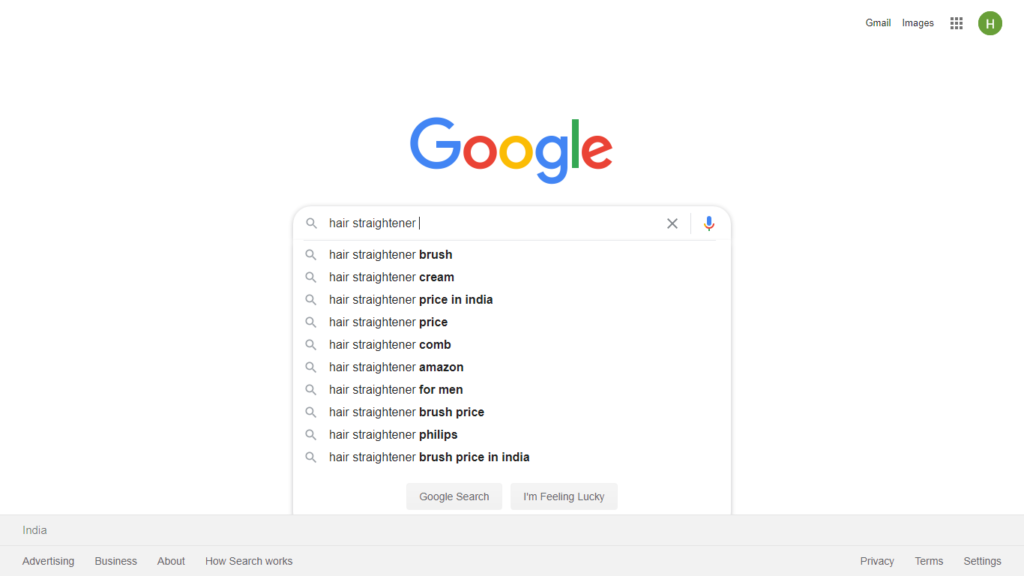
LSI google suggestions for “hair straightener” topic are:
⇒ Wavy hair
⇨ Hair straightener brush
⇒ Fizzy hair
⇨ Cream
⇒ Flat irons
⇨ Damaged hair
⇒ Bouncing curls
⇨ Hair tools
Are Related Words and Phrases Important on a Page for SEO?
In old days of SEO, Google and other search engines evaluated page topics according to keywords they found on page. For example, if Google finds keyword “digital marketing” repeatedly, they determine page is about digital marketing. That is why keyword density matters in traditional SEO.
But now in modern SEO, Google is much smarter. Now Google figures out overall topic relevancy rather than keyword usage. That does not mean Google is not relying on semantically related terms to understand your content. Let’s understand this with an example:
Suppose you have written blog post about healthy morning breakfast. Google will scan on page SEO aspects to understand your content such as title tag, meta description, image alt text etc. But Google also scan your page keywords and pick up related keywords such as cereals, avocado toast, boiled eggs, mix fruit juice. And when Google scan these keywords in your content, they will understand you page is about healthy morning breakfast.
What Is the Difference Between LSI Keywords and Long-Tail Keywords?
| LSI Keywords | Long-Tail Keywords |
|---|---|
| 1. These keywords are not the target keyword in the content. | 1. These keywords consist of more words with lower volume derived from a seed keyword. |
| 2. LSI is keywords that must be in the blog to let the search engines know that your article is about the long-tail keyword that you are trying to focus on. | 2. Long-tail keywords lead to better conversion rates which make them easier to rank for. |
| 3. These keywords help in improving the article ranking | 3. While writing content, you need to focus on a single long-tail keyword. |
| 4. Example of LSI: If the seed keyword is Osteoarthritis, then LSI keywords are Joint, Pain, Lower back, Knees & Treatment. | 4. Examples of long-tail keywords: If Seed keywords are Osteoarthritis, then LONG Tail Keywords are Best Osteoarthritis Doctor, osteoarthritis treatment in Ayurveda, etc. |
Also Read: Zero Click Search: Why Your Website Isn’t Getting Clicks?
How to Find Related Keywords in 2026?

While searching for LSI terms, don’t even try to focus on synonyms. Just look for related terms and phrases.
1. Use Common Sense
The best strategy to find LSI words is common sense.
Let suppose you are writing a biographical article about Donald Trump then its worth adding part is his impeachment.
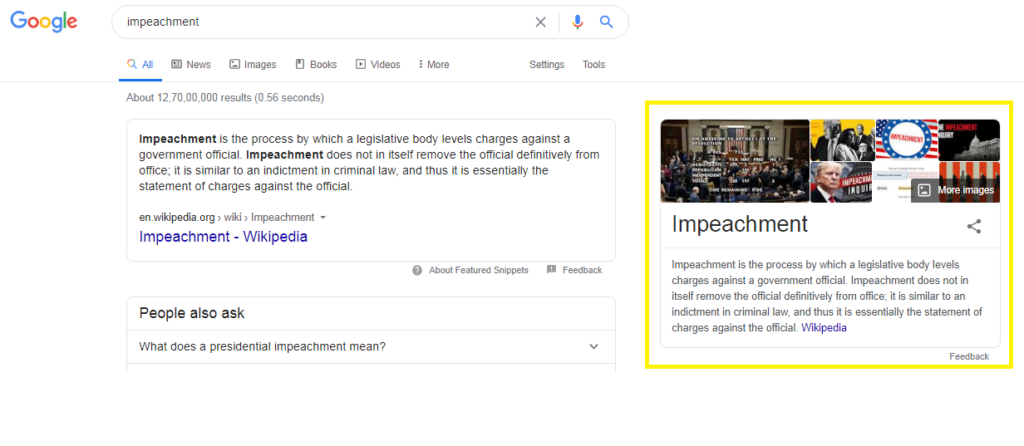
In this way, all the related words and phrases will be added.
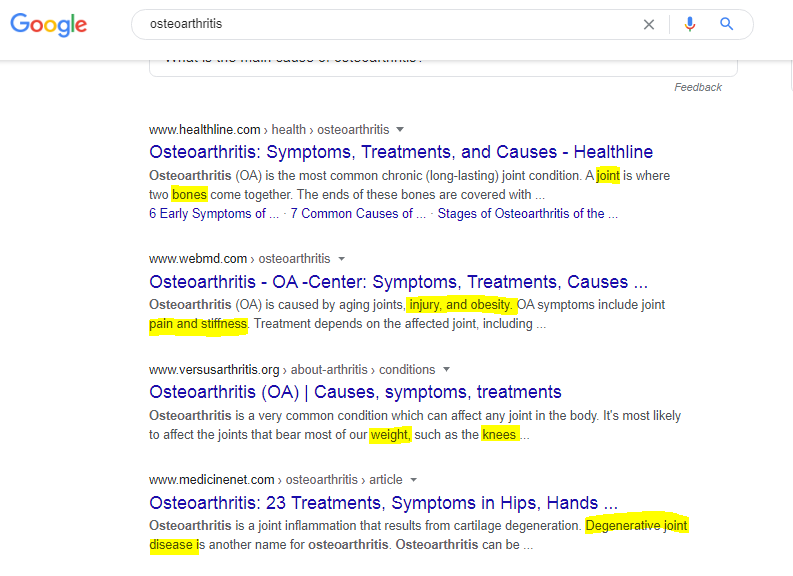
2. Google Search – Best Terms In Google Snippet Description
Enter your target keyword into Google and look at LSI keywords in the SERP snippets.
For example, your target keyword is osteoarthritis. Look at some LSI keywords for ‘osteoarthritis’ that you can get from the top search results.
3. Google Auto Complete Results
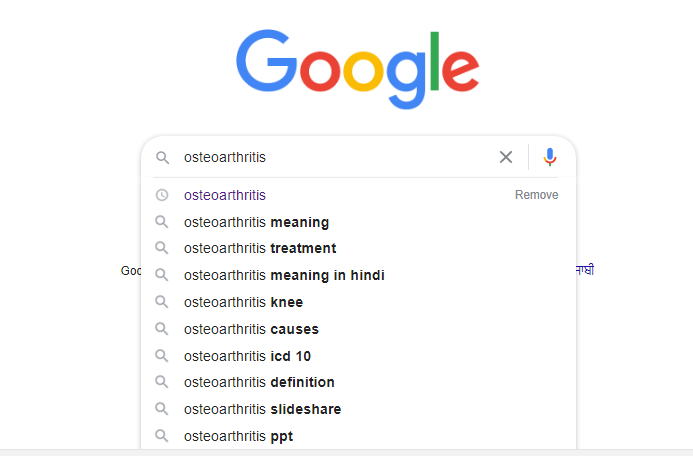
Google Autocomplete doesn’t always show related keywords, but you will get an idea about the term.
Like, we entered the term “Osteoarthritis”.
Google’s Autocomplete generated related results; “Osteoarthritis treatment”, “Osteoarthritis causes” and “Osteoarthritis knee”.
4. Google Related Searches
Another easiest way to find LSI from Google Search is to look at ‘Searches Related To’ at the bottom of the SERPs page:

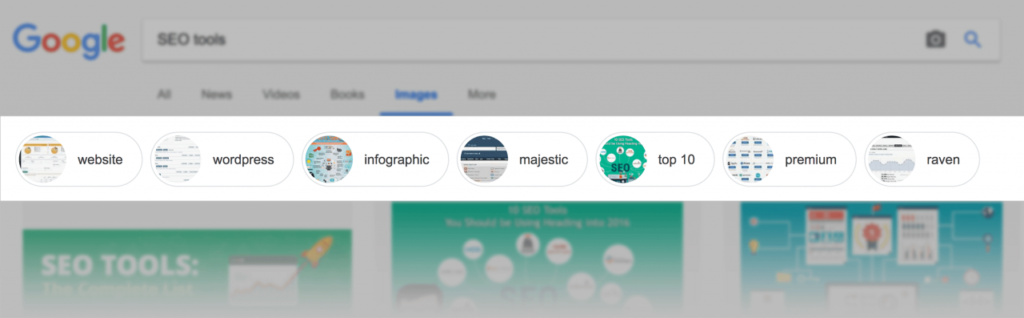
5. Google Image Tags
Google Images is an awesome feature of google that provides us every kind of image.
And it’s very beneficial.
To use this feature, you just need to enter your keyword into Google images.
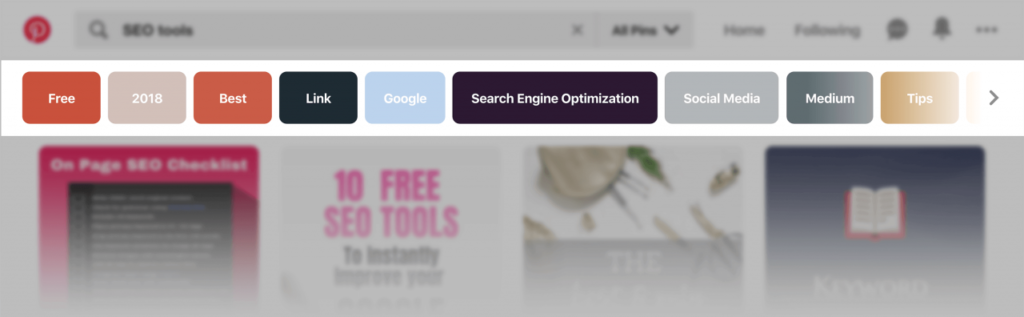
Look at the same Pinterest image suggestions:
6. Knowledge From Informational Sites
We have many informational websites that provide trusted information. One of the fantastic sites is Wikipedia to find related terms.
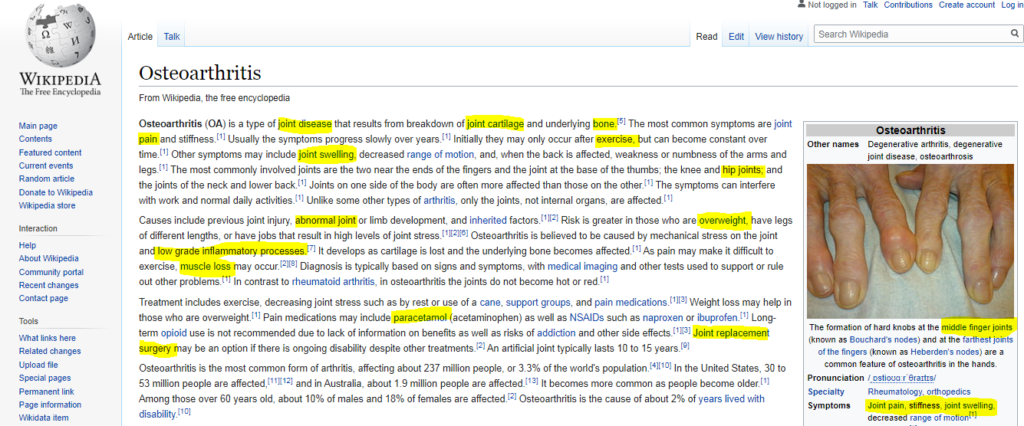
Google also extracts knowledge graph data from this popular knowledge base.
7. Google’s Knowledge Graph
Google stores the relationship information between multifarious concepts, people, and things called a knowledge graph. These results display in Google search results.
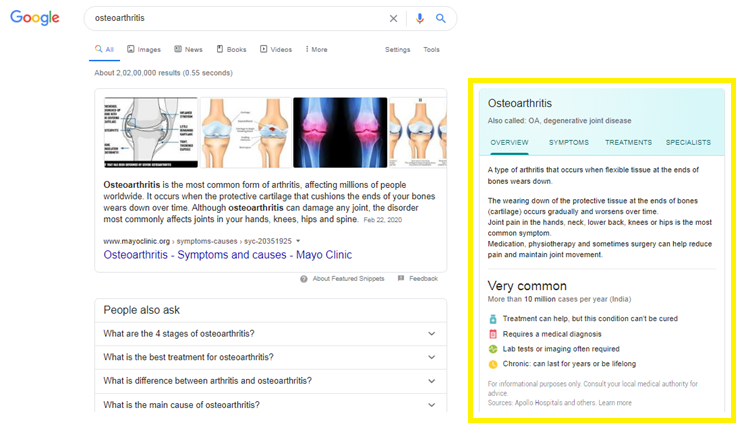
Try searching for your target keyword and see data that displayed on the knowledge graph.
Best Tools For Finding LSI Keywords

You can also use Free LSI Keyword Generators to get the LSI terms.
Here are some of the best LSI keywords tools:
1. Use an “LSI keyword” Tool
The keyword tool is the free SEO tool to get LSI Ideas.
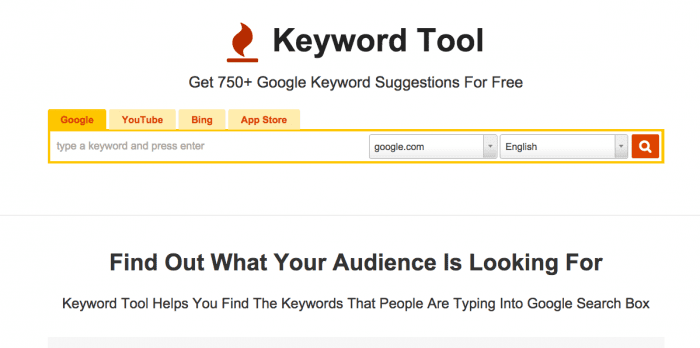
This tool can give you a myriad of suggestions related to your defined keyword. So you can easily optimize your content.
2. Ahrefs Keywords For Top Ranking Pages
Get related keywords and phrases Ideas from Ahrefs section “Also rank for” in keyword explorer.
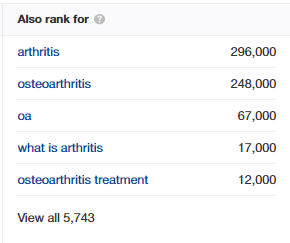
3. Ubersuggest
Another great tool for finding latent semantic indexing words. So, it gives me a plethora of LSI ideas.
4. Google Keyword Planner
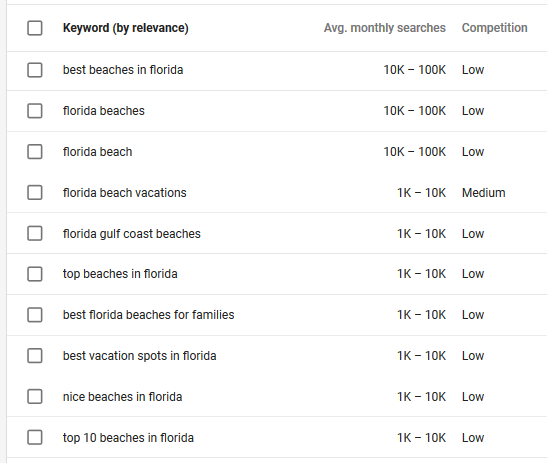
Find your LSI keywords using Google with its Keyword Planner Tool.
It is a free LSI keyword generator that suggests common search terms and phrases.
Enter your target term and look at keywords that have high search volume and low competition.
5. Keyword Explorer MOZ
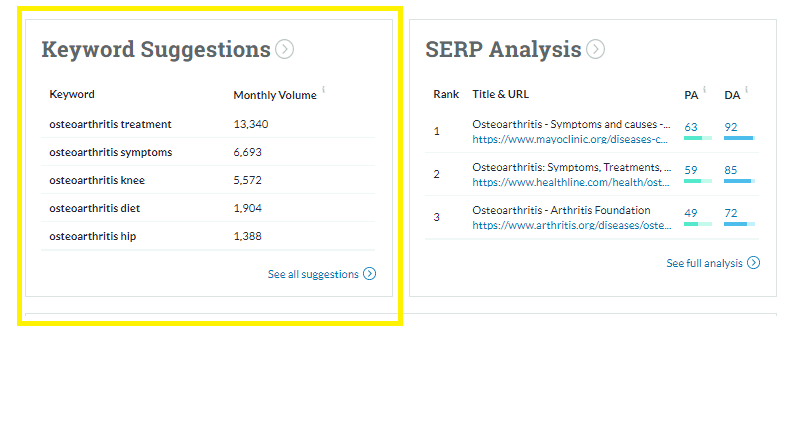
Search Your Ranking keywords from MOZ. You just need to sign up & login to Moz.
Enter a target keyword in Moz Keyword explorer and you will myriad of LSI suggestions:
6. People Also Ask
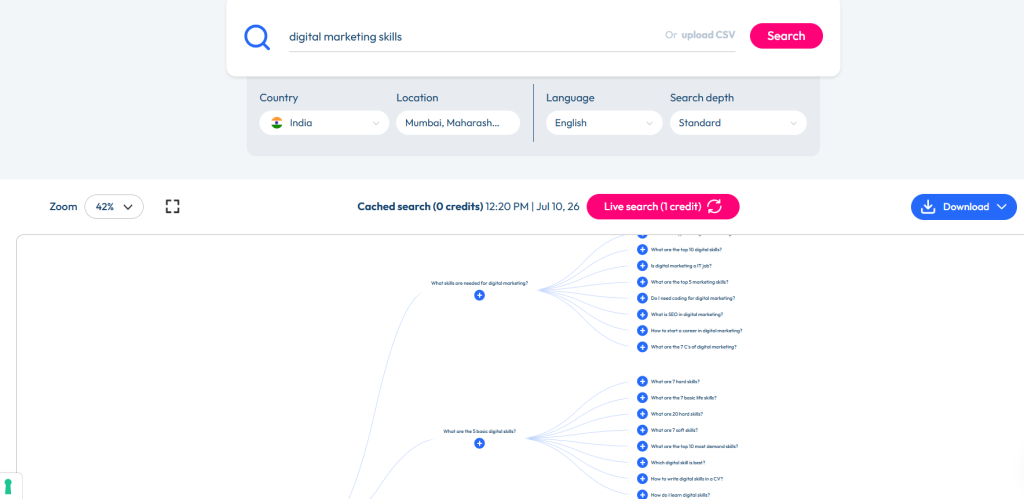
PAA helps you to understand questions around your topic. Search for your target keyword and questions will display. Use these questions as:
- Comparison points
- H2 sections
- H3 sections
- FAQ questions
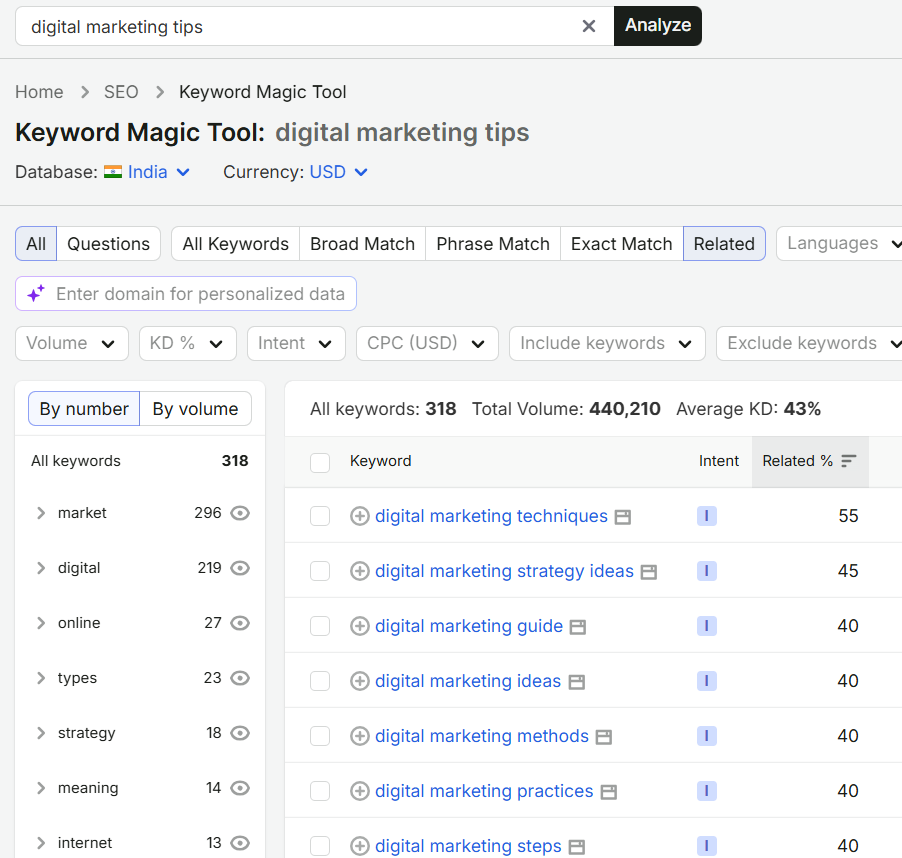
7. SEMrush
Search for your target keyword, SEMrush shows related keywords that relate to your main topic. So you can figure out easily according to your content relevancy.
What Happened When We Tested Semantic Keywords on Our Own Blog
At Amritsar Digital Academy, we put the idea of using related and semantically relevant terms into practice on our own blog. We updated our post “20 Best Video Editing Apps in India 2024” by adding semantically related terms instead of repeating main keyword “video editing apps in India” again and again.
We added related terms:
- DaVinci Resolve free video editor
- Video editing app for iPhone
- Video editing app without watermark
- Video editing app for beginners
- Video editing apps for social media
- Top video editing apps.
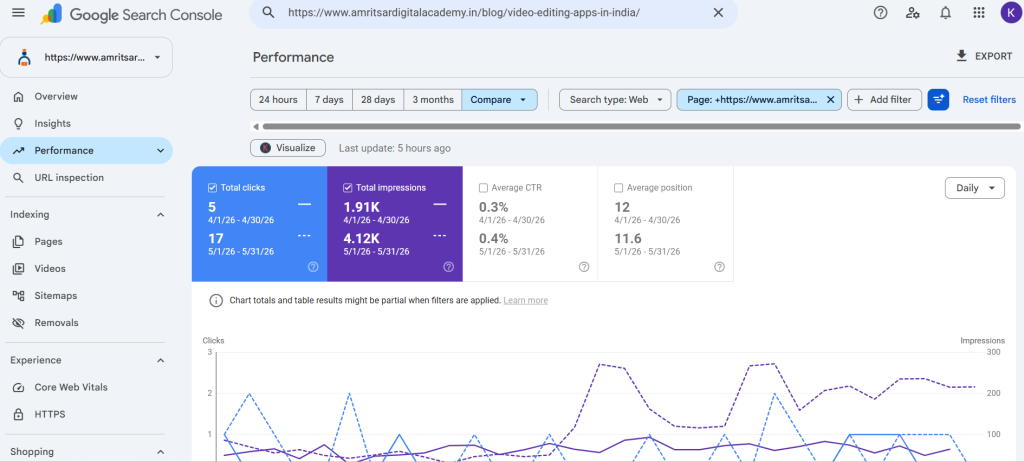
Before Update Result:
| Month | Click | Impressions | Average Position |
| 01-04-2026 to 30-04-2026 | 5 | 1.91K | 12 |
Results After Update:
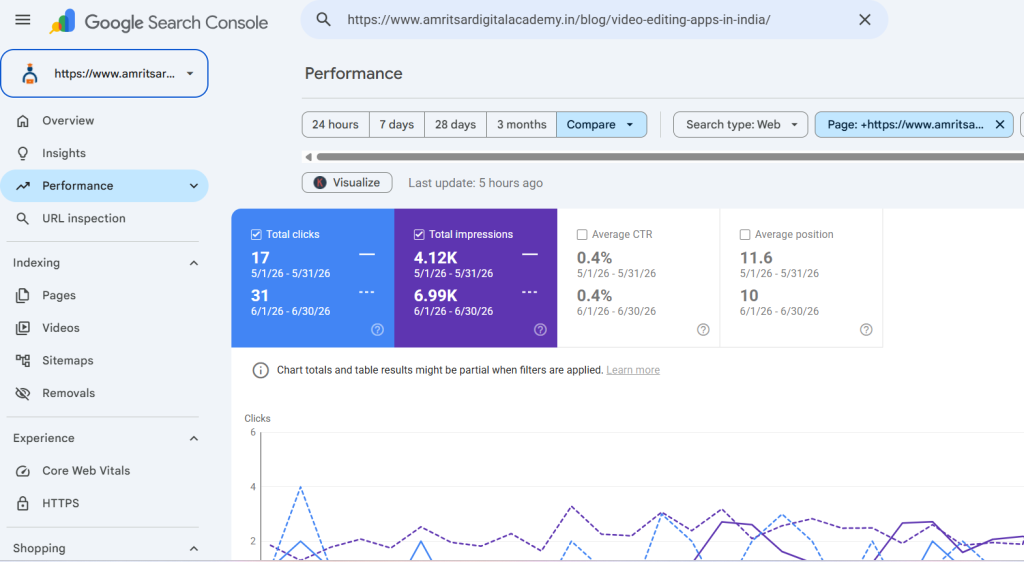
| Month | Click | Impressions | Average Position |
| 01-05-2026 to 31-05-2026 | 17 | 4.12K | 11.6 |
| 01-06-2026 to 30-06-2026 | 31 | 6.99K | 10 |
| 01-07-2026 to 31-07-2026 | 35 | 4.25K | 9 |
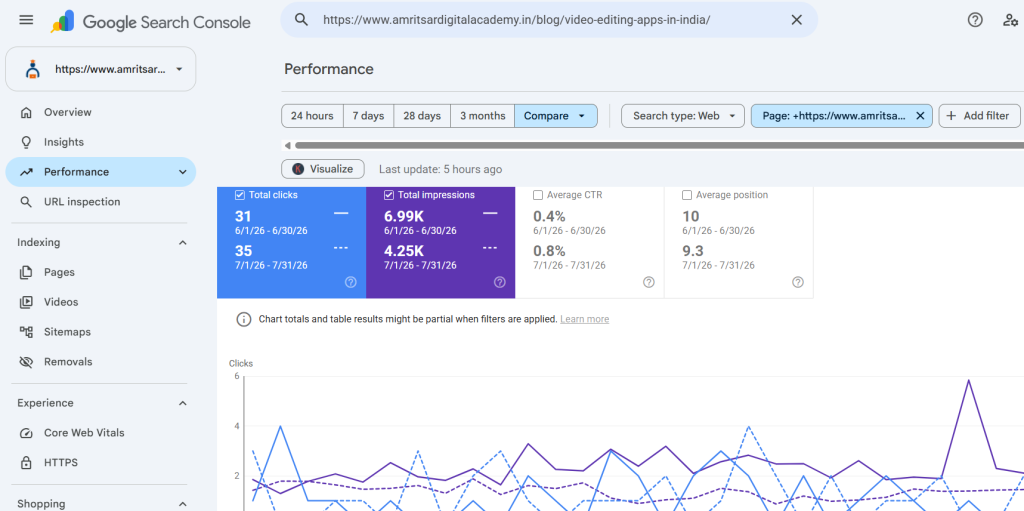
In a span of 3 months from 5 clicks, the number of clicks increased to 35. The position improved from 12 to 9. Here is exactly what we updated:
- Changed the title from “2024” to “2026” as per current intent of search.
- Changed the introduction to more to-the-point and focused content on the keyword ”video editing apps in India.”
- Added quick answer section for the featured snippets and AI search results.
- Added comparison tables for the app name, platform, cost and best use case and watermark.
- Updated the list of apps to the new ones for 2026 such as VN video editor, Canva AI, Instagram Edits, DaVinci Resolve, Filmora, Camtasia, Alight Motion.
- Restructured the content into sections based on free mobile apps, free desktop software, paid mobile apps, and paid desktop software.
- Added pros, cons, pricing and platform support for each app.
- Improved keyword targeting to include related keywords rather than repeating exact matches or targeted keywords.
- Improved the format to make it more scannable and added internal links to the relevant website links.
- Removed outdated information and replaced it with updated and relevant content.
We teach students at Amritsar Digital Academy this exact technique in our SEO courses. Students learn how to apply this technique themselves.
Final Thoughts
LSI keywords are not Google ranking factor so you don’t need to build keyword list based on the old LSI concept. You need to pay attention to cover your topic properly and use relevant language naturally.
- Start with search intent.
- Understand what your audience wants to know.
- Use Search Console, search results, People Also Ask and reliable keyword research tools to identify related questions and concepts.
- Then build your content around those needs.
Do not count how many times you have used LSI keyword. Your page should gives the reader a complete and useful answer. Skip keyword stuffing mindset entirely. That is what ranks in 2026, and it is what gets cited by AI search tools too.
FAQs
How do I find semantic keywords for a page?
To find semantic keywords for your page:
- Use Google Search Console for your own query data.
- Check People Also Ask and related searches for topic.
- Review the top-ranking pages for subtopics and questions that you have not covered yet.
Does keyword density still matter in 2026?
Keyword density is not as important as ranking factor of moder SEO. In 2026, Google prefers content relevancy, semantic context, user search intent and overall quality of your content.
What are LSI keyword examples?
LSI keywords are terms related to your target primary keyword. LSI keyword examples are:
Primary keyword is ‘digital marketing’ then your LSI keywords will be ‘search engine optimization,’ ‘content marketing’, ‘social media marketing.’
Can I use ChatGPT for keyword research?
Yes. You can use ChatGPT for keyword research as brainstorming but you cannot fully rely on ChatGPT results, use keyword research tools for better keyword research.